Architecture
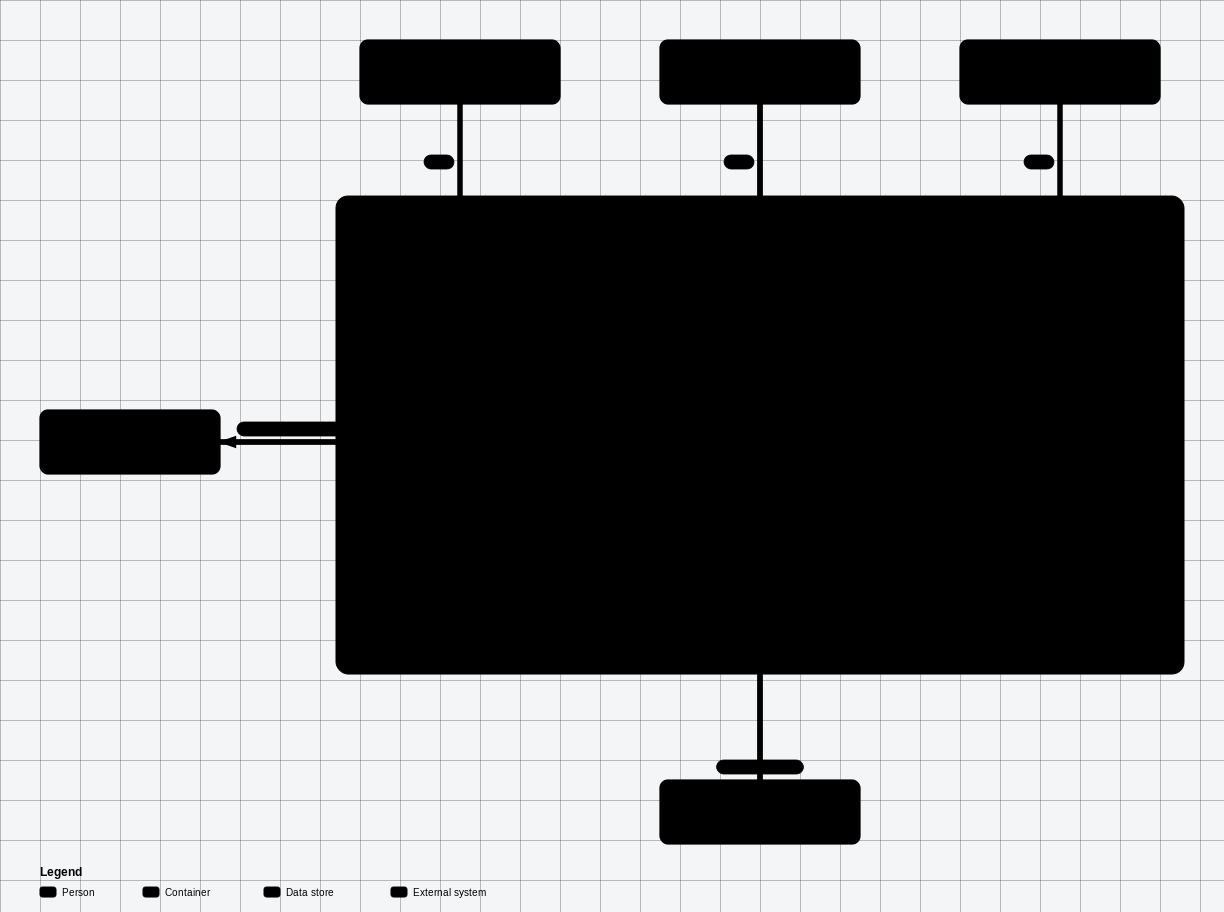
Tumult has two programs. The CLI, tumult, runs experiments. The daemon, tumultd, takes in evidence, keeps it in one database and serves the web UI. This page shows the parts and how the data moves between them.
Who uses Tumult
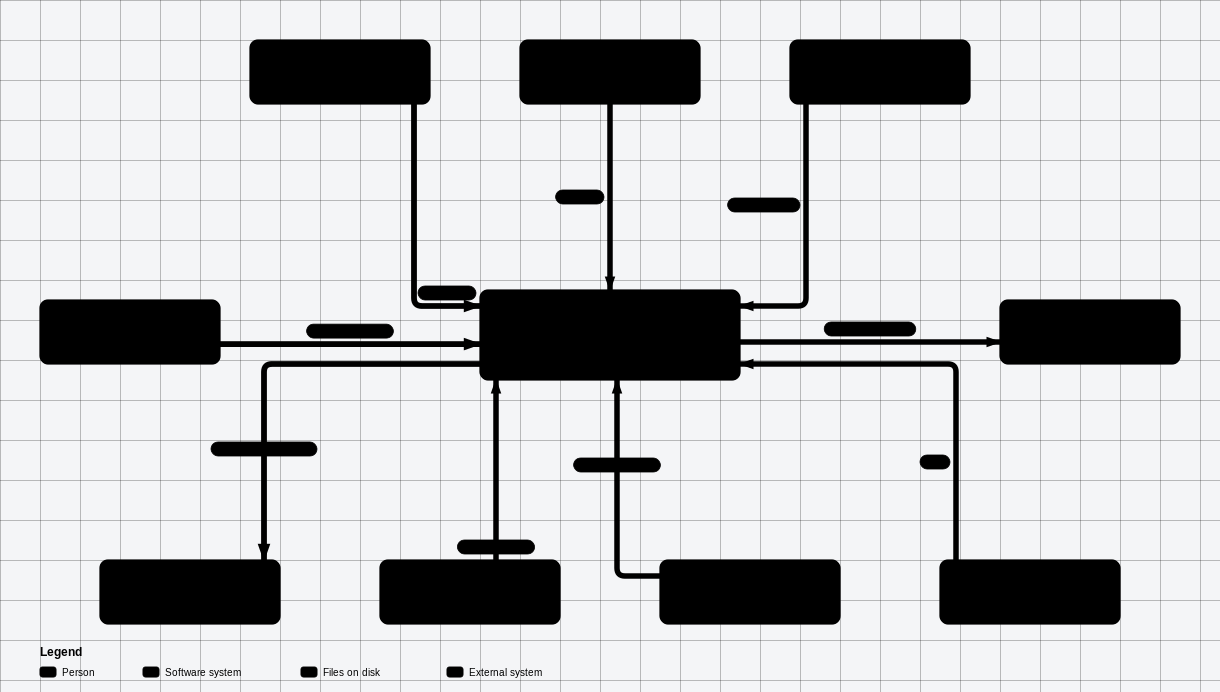
People use the web UI. A CI pipeline calls the CLI. An AI agent talks to the MCP server. Your services send telemetry, and Tumult tests them.
The parts
| Part | Job |
|---|---|
tumult (CLI) | Runs experiments. Works alone, or sends its results to the daemon. |
| Plugins | The faults, probes and load tools that touch your systems. |
tumultd (daemon) | Takes in evidence, runs approved experiments, scores, and serves the API and the web UI. |
| Krönika (web UI) | Built into the daemon, on the same port as the API. |
| Lake | One DuckDB file. One writer, many readers. |
| MCP server | Gives AI agents the tools of Tumult, with roles. |
| Forecast sidecar | Optional. The daemon has a forecaster of its own. |
Evidence in
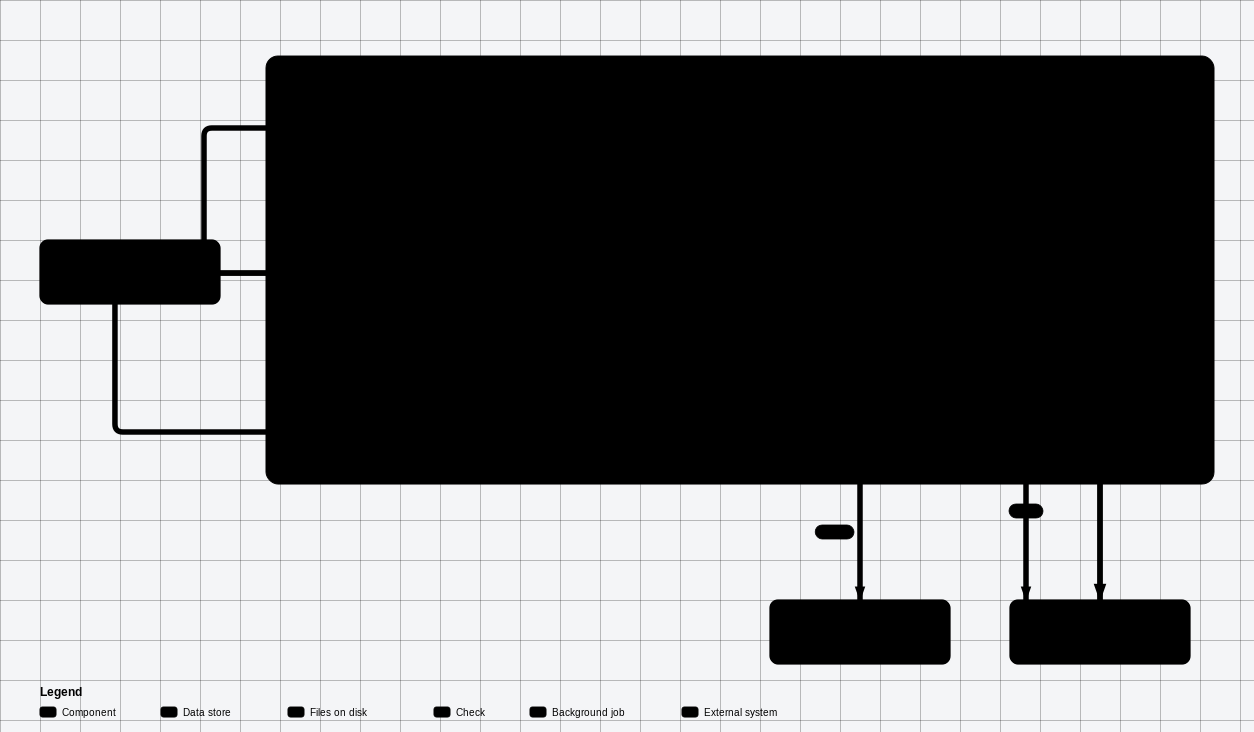
- Telemetry comes in as OTLP over gRPC on port 4317, which also takes OTel-Arrow streams, and as OTLP over HTTP on port 4318. With
KRONIKA_INGEST_TOKENset, every sender needs that token. - Each request becomes rows: spans, logs and metrics. Journals from the CLI, manual records and the state of daemon runs come in beside them.
- Everything goes through one queue to one writer. Nothing else writes the lake. When a write fails, the sender gets an answer that tells it to send again (gRPC
UNAVAILABLE, HTTP 503).
The size limits of the gRPC port are in observability setup.
Answers out
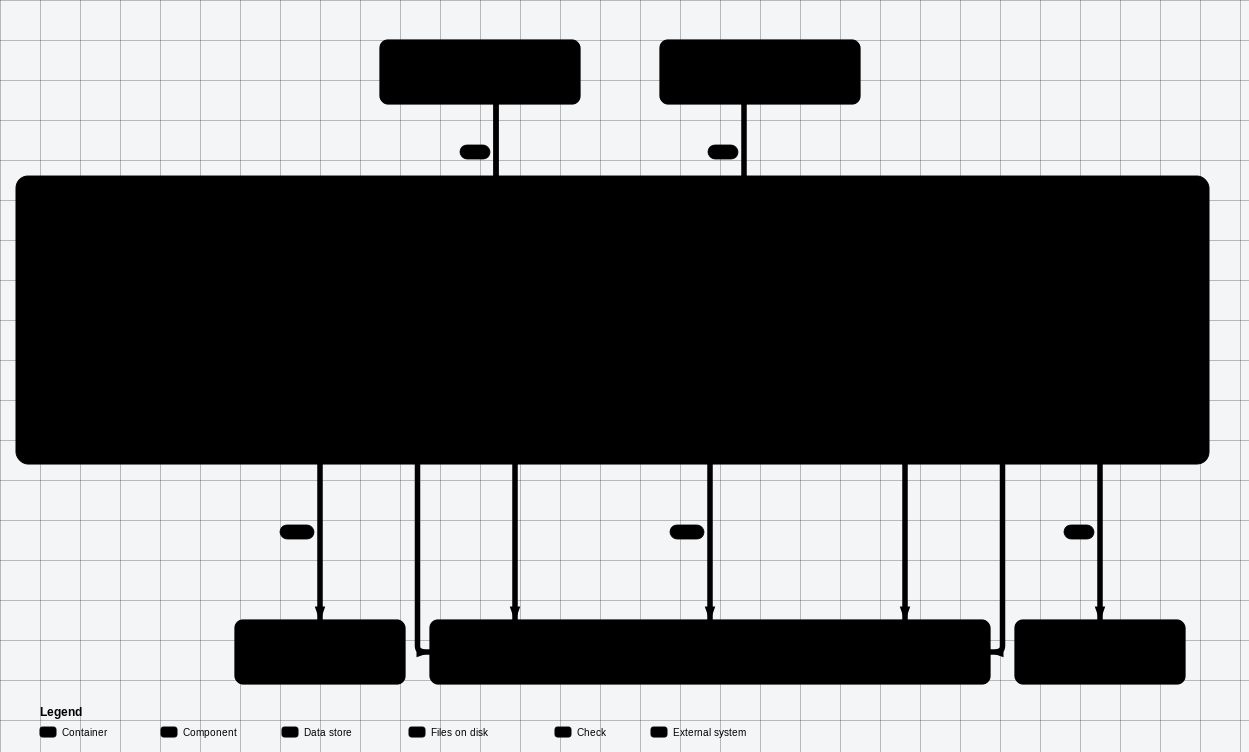
- The API reads the lake on read-only connections, so a read never waits for the writer.
- Scores, risks, the Star Map, performance verdicts and forecasts are worked out when you ask, from the stored rows,
org.yamland the Kubernetes manifests. - A few answers are stored back through the writer: the daily score snapshot, a performance verdict you save, and the forecast cache.
- Forecasts come from a built-in Holt-Winters model, or from the
tumult-forecastdsidecar whenTUMULTD_FORECAST_URLis set. When the sidecar fails, the daemon uses Holt-Winters and says so. - Each page of the web UI calls this API with your session. The page reference lists the API of each page.
The lake
- The CLI and the daemon both find the lake with
TUMULT_LAKE_PATH. The default is~/.tumult/lake.duckdb. - Only one process may write the lake. While the daemon runs, go through it: the CLI imports through
TUMULT_DAEMON_URL, and a report comes fromGET /report. - Tumult makes the folder of the lake readable by its owner only. DuckDB does not encrypt the file, so keep it on an encrypted disk.
- The schema is at version 21. A build does not write a lake that a newer build made. Take
tumult store backupbefore an upgrade. - Every 24 hours (
KRONIKA_LAKE_INTERVAL) the daemon exports the lake to Parquet files, without the tables of users, sessions and tokens. Nothing is deleted by itself. See data portability.
| What | Tables |
|---|---|
| Telemetry | spans, logs, metric_sums, metric_gauges, metric_histograms |
| Journals | experiments, activity_results, load_results, probe_samples, nfr_verdicts |
| Daemon runs | run_registry, runs, run_audit, approval_requests, approval_decisions, run_schedules |
| Manual evidence | manual_experiments, manual_experiment_audit, evidence_attachments |
| Scores and findings | requirement_status_daily, maturity_daily, risk_suppressions, perf_verdicts, forecasts |
| Entities | entity_versions, written only with KRONIKA_ENTITY_EVENTS set |
| Access | users, sessions, tokens, user_env_scopes |
Settings
The daemon reads environment variables with three prefixes.
| Prefix | For |
|---|---|
KRONIKA_* | The daemon: ingest, tokens, lake export, scores. The names stay as they are. |
TUMULTD_* | Newer daemon settings: the run queue, approvals, forecasts. |
TUMULT_* | The CLI, and the path of the lake. |
Production deployment lists them.
Next
- Runs, approvals and roles: how the daemon decides who may run what.
- How a run works: the steps of one run.